
Skin Flooding, Slugging & Sandwiching… Are They Actually Different?
Skincare trends move fast. One minute there’s a “must-try” technique, the next it’s been renamed, repackaged, and reintroduced as something entirely new.
And while some trends are worth your attention… many are simply a reinvention of what skin therapists have been advising clients about for years.
The difference?
We focus on why it works - not just what it’s called.
I’m going to talk a little about a few that, while not new on the social scene, are still quite topical AND relevant.
Right now, three hydration-focused trends are everywhere: skin flooding, skin slugging, and skin sandwiching. Different names, same underlying principle…
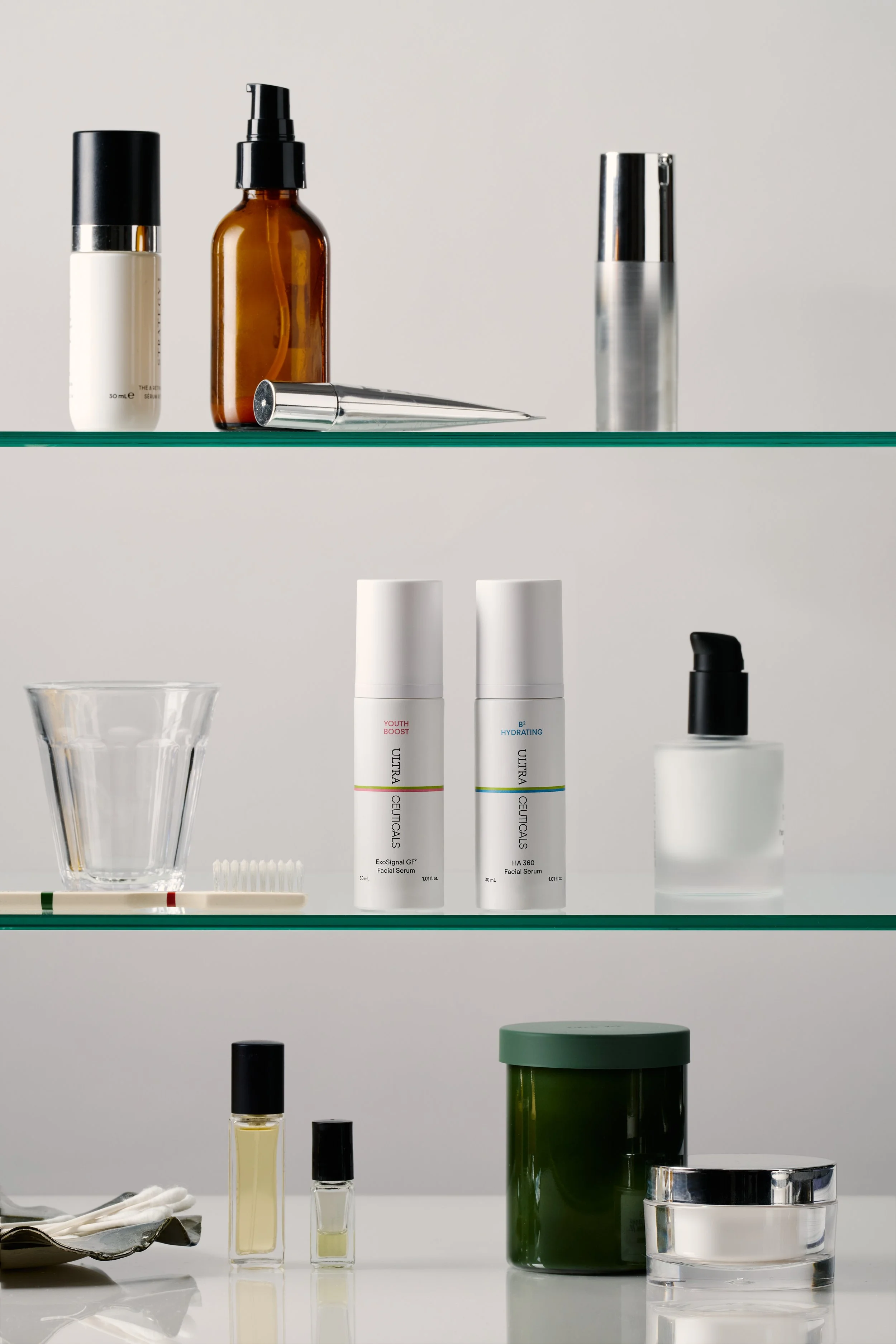
You can’t go wrong with hydration.
Hydration is everything.
Because when the skin is properly hydrated, barrier function improves, sensitivity reduces, and everything else (tone, texture, ageing) becomes easier to treat.
Skin Flooding: Layering for True Hydration
Skin flooding is simply the process of layering hydrating products to increase water content within the skin.
It’s not new; it’s just being talked about more.
When done properly, it helps to:
Strengthen the skin barrier
Improve product absorption
Maintain hydration throughout the day
In clinic, this is something we’re always guiding you through. Each product has a role, and when layered correctly, they work with your skin - not just sit on top of it.
Skin Slugging: Sealing It In (The Right Way)
Skin slugging is about locking in hydration using an occlusive layer - typically an oil or balm.
The concept is sound. It’s what we’ve been saying for years.
The execution online? Not always.
Vaseline or heavy petroleum-based products (often recommended on social media) can feel appealing, but they’re not ideal for compromised, reactive, or acne-prone skin. They’re literally made from petroleum so you have to wonder how anyone EVER thought that could work…🙄
Instead, professionally formulated oils and balms are designed to:
Support the skin barrier
Prevent water loss
Deliver additional skin benefits (not just sit on the surface)

Locking in Hydration
When paired with proper hydration underneath, this step helps hold everything in; and thisis where the real results come from.
Skin Sandwiching: The Absorption Factor
Skin sandwiching focuses on applying products to slightly damp skin to enhance absorption. Something else skin/beauty/dermal therapists have been saying for YEARS.
And this part is actually important.
Hydrated skin absorbs ingredients more effectively which is why we often layer products with a hydrating mist rather than plain water.
This allows you to:
Boost hydration between steps
Improve penetration of active ingredients
Maximise the performance of your routine
It also reinforces the correct order of application: from lightweight, water-based products through to richer creams and oils.
So… What Should You Actually Be Doing?
All three of these “trends” come back to one simple, clinically proven approach:
Layer hydration. Support the barrier. Seal it in.
A simple structure looks like:
Cleanse gently (and twice at night)
Apply a hydrating mist
Layer targeted serums
Repeat misting/light hydration between steps if needed
Finish with a cream
Seal with an oil or balm (if your skin needs it)
The Bottom Line
These trends aren’t wrong…they’re just not new.
What matters isn’t the name… it’s how well it’s tailored to your skin.
Because hydration isn’t a trend.
It’s the foundation of a healthy, functioning skin.